We're proud to collaborate with Au-Zone Technologies and The Ocean Cleanup in addressing the pressing issue of ocean plastic pollution. Leveraging our expertise in designing housings for advanced camera systems, we support The Ocean Cleanup in their mission to rid the world's oceans of plastic waste. Our partnership reflects a shared commitment to leveraging technology for positive environmental impact and underscores the importance of collaborative efforts in addressing complex global challenges.
Desktop Section
AI Camera
The Ocean Cleanup
Overview
CLIENT
Au-Zone Technologies / The Ocean Cleanup
ROLE
Industrial Design, Mechanical Design, Prototype Coordination and Supply
OVER 5 TRILLION PIECES OF PLASTIC CURRENTLY LITTER THE OCEAN
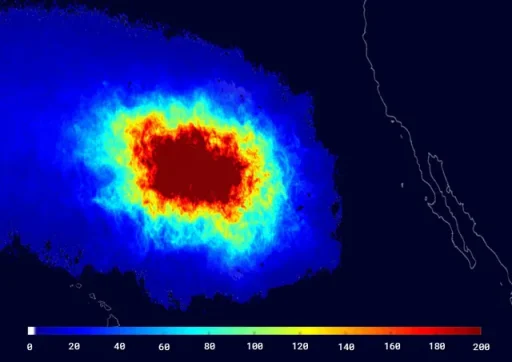
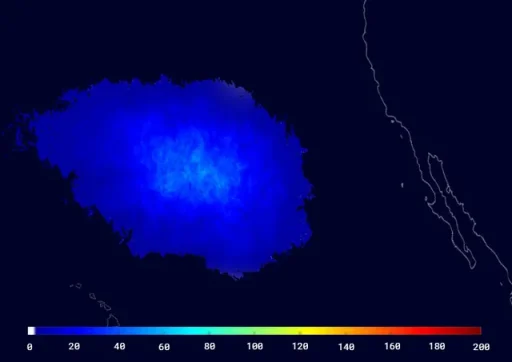
Ocean plastic accumulates in five ocean garbage patches, the largest one being the Great Pacific Garbage Patch, located between Hawaii and California. To solve it, we not only need to stop more plastic from flowing into the ocean, but also clean up what is already out there. Floating plastics trapped in the patches will keep circulating until they break down into smaller and smaller pieces, becoming harder to clean up and increasingly easier to mistake for food by sealife. If left to circulate, the plastic will impact our ecosystems, health, and economies for decades or even centuries.
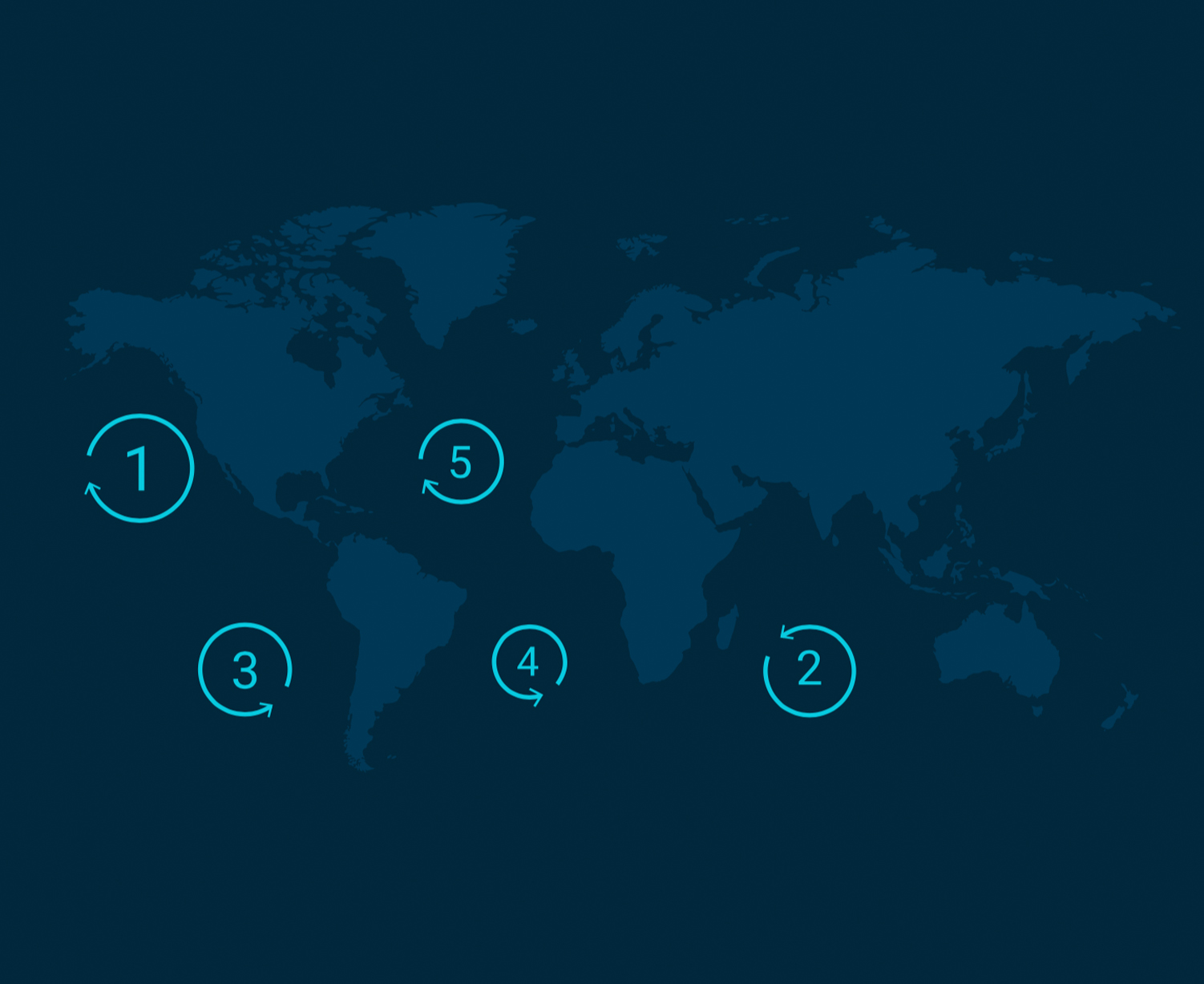
Cleaning the Oceans Garbage Patches
The Ocean Cleanup project represents a pioneering effort to combat ocean plastic pollution through innovative technology and engineering solutions. Central to their approach are passive drifting systems equipped with advanced camera technology, which harness ocean currents to concentrate and capture plastic debris. By strategically deploying these systems in targeted areas, The Ocean Cleanup aims to intercept and remove significant quantities of plastic waste from the marine environment.
Automated Debris Imaging System (ADIS)
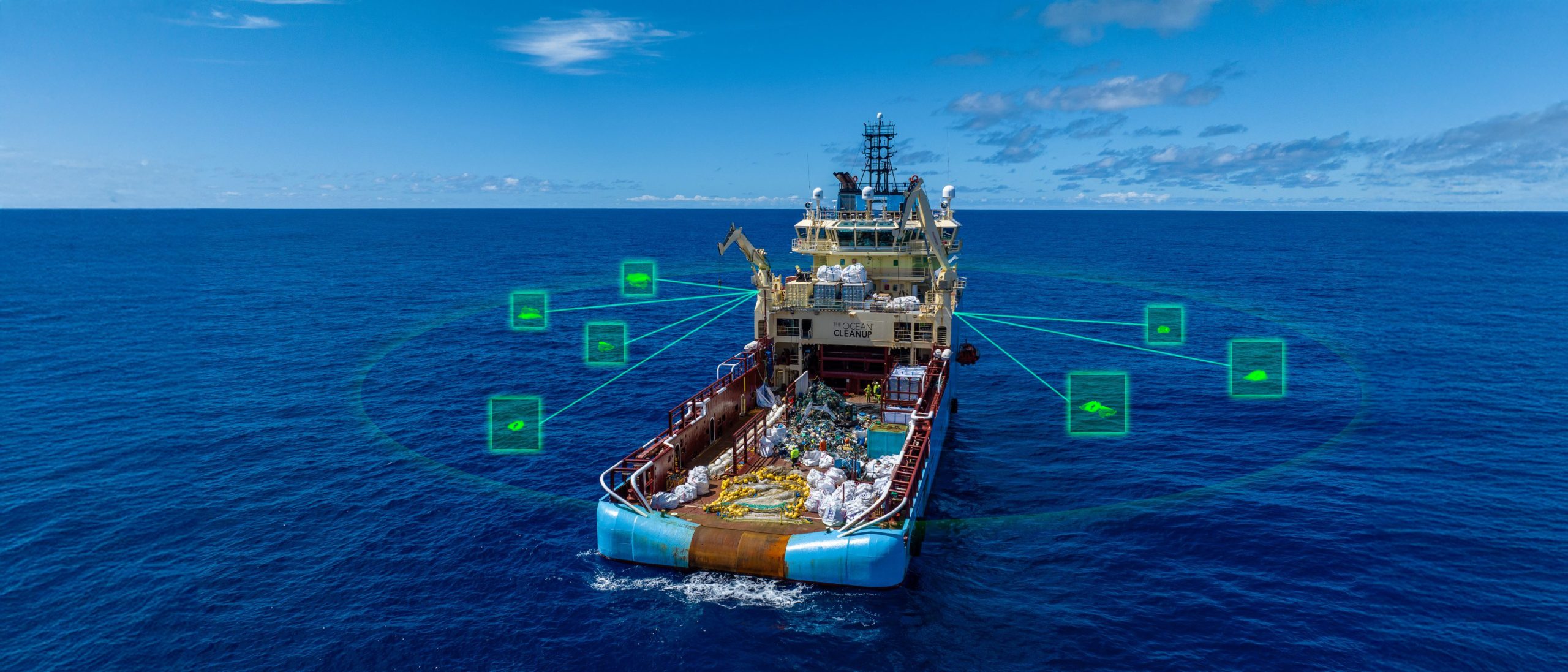
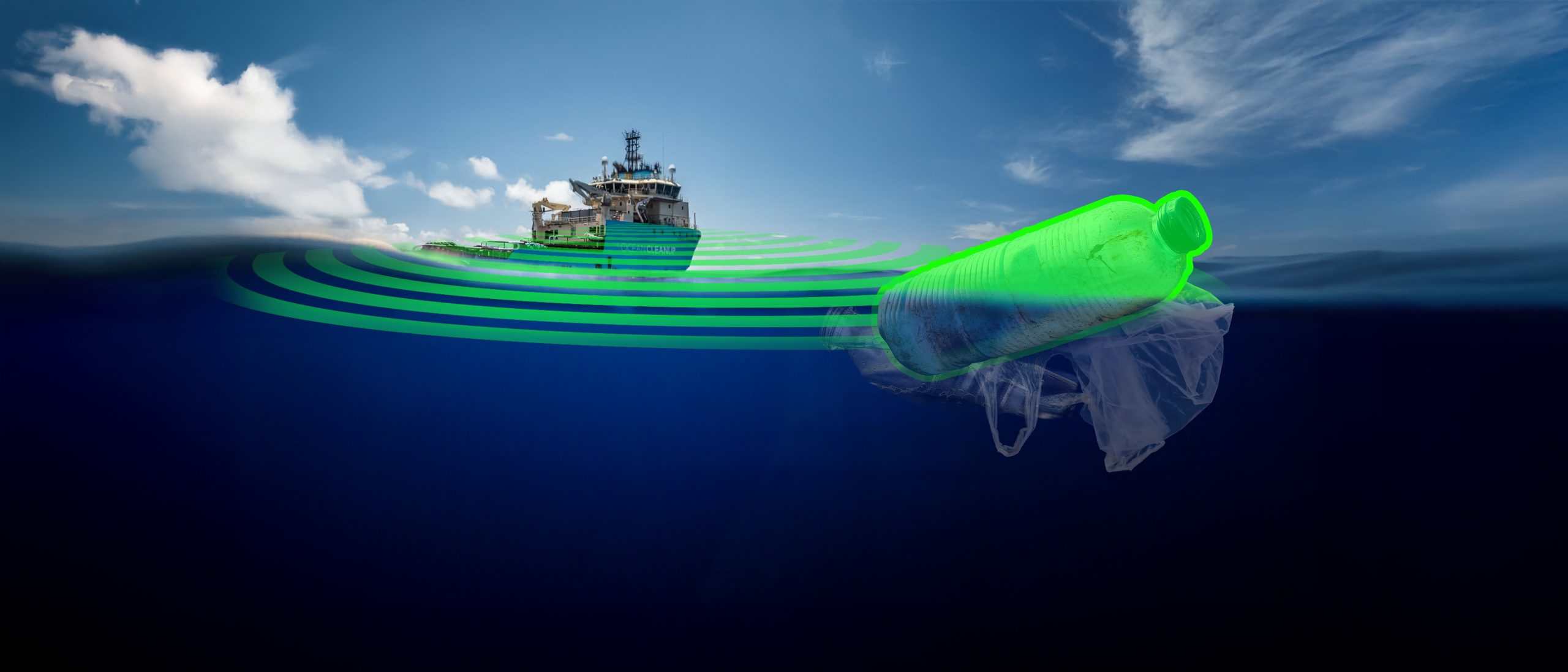
ADIS enables The Ocean Cleanup to shift from sparse, geographically limited data collection to a significantly more scalable, global approach to mapping debris. The AI-driven system enables The Ocean Cleanup to continuously gather data and efficiently predict plastic debris hotspots in ocean convergence zones such as the Great Pacific Garbage Patch and lesser-studied areas like the Indian Ocean.
Camera
Equipped with high-resolution imaging capabilities and advanced sensor technology, these cameras provide real-time monitoring of plastic debris, enabling precise detection and characterization. Furthermore, the cameras are integrated with artificial intelligence algorithms, which analyze imagery to identify and quantify plastic waste, optimizing cleanup strategies and maximizing efficiency.
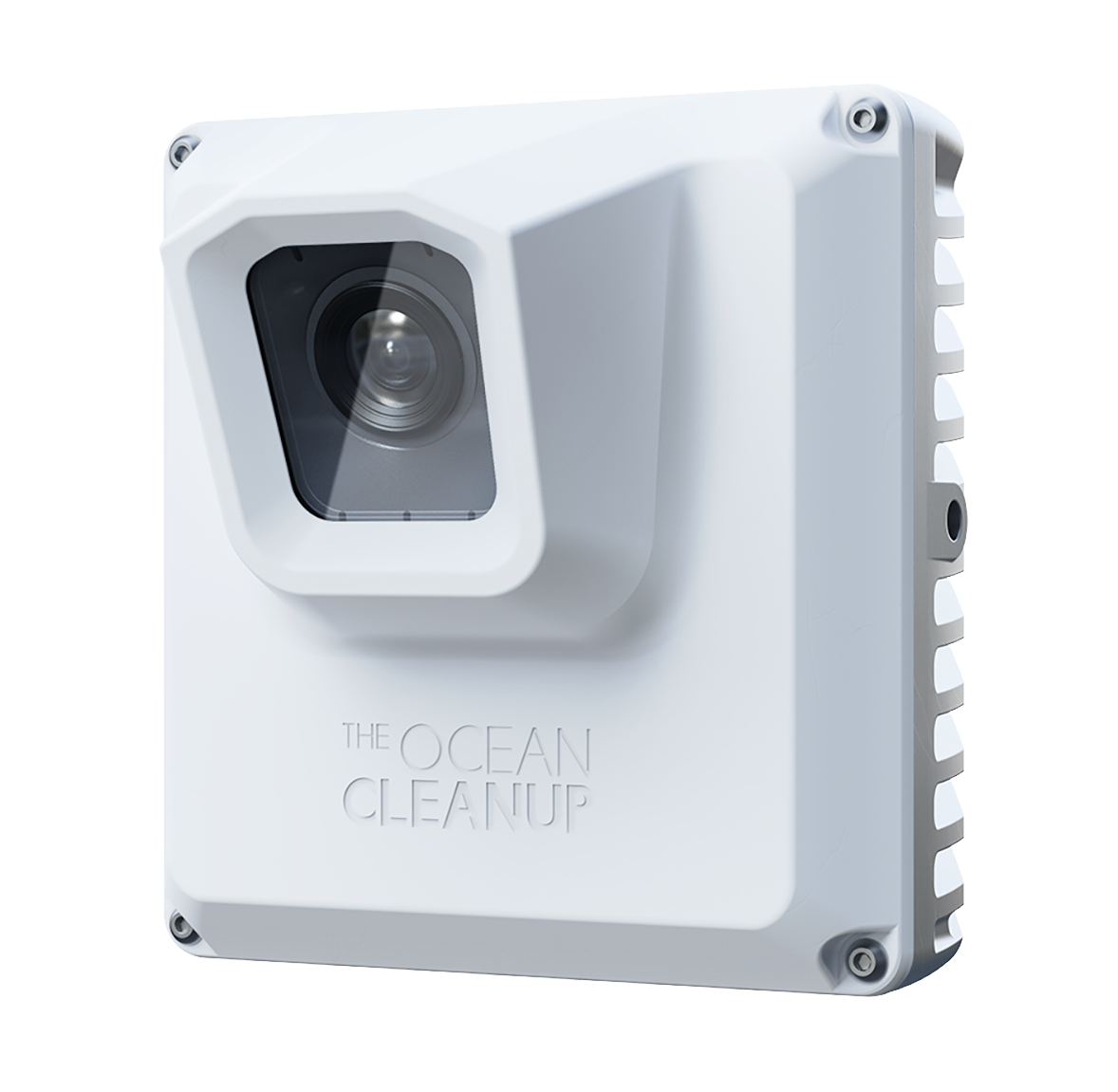
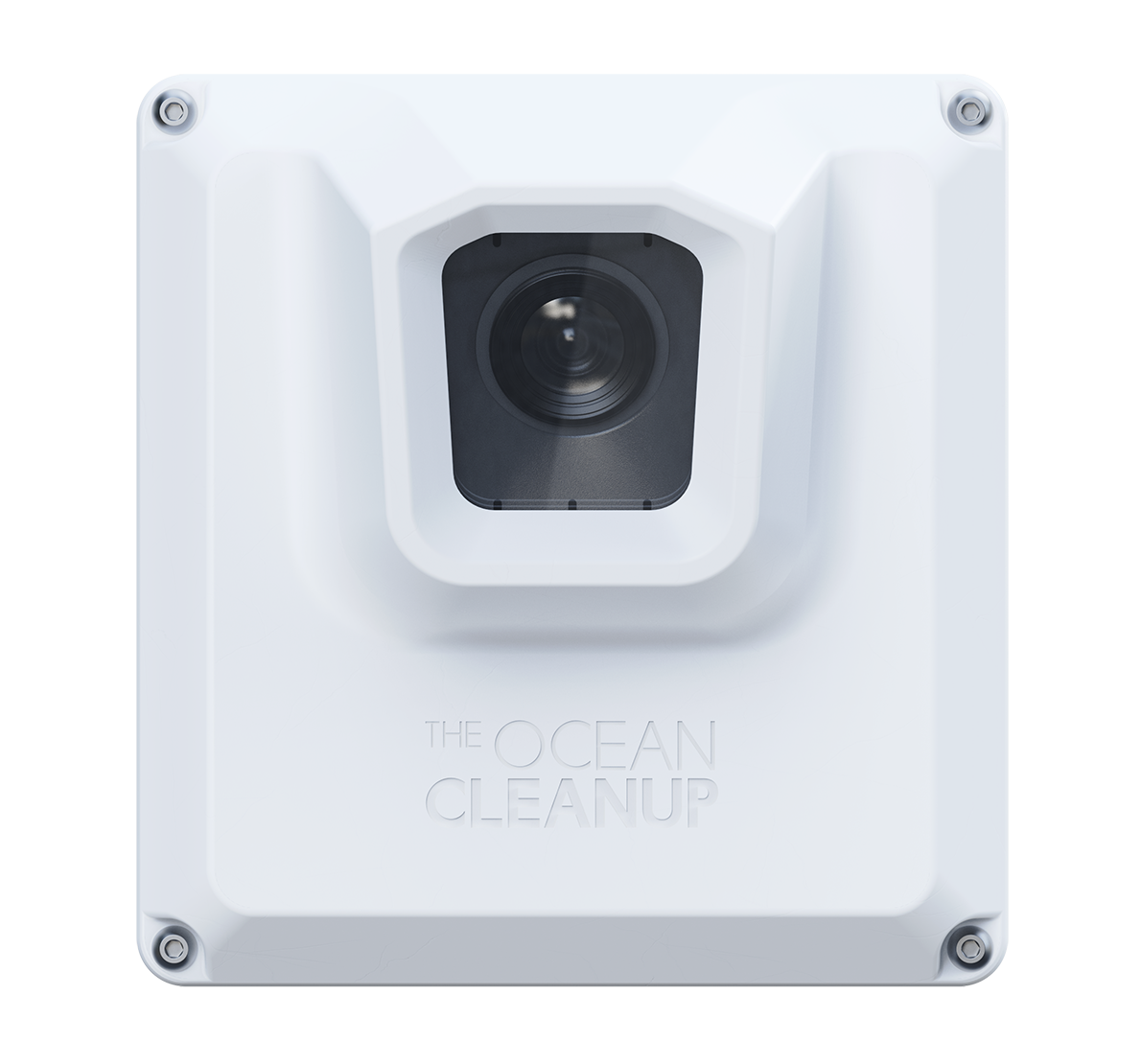
housing
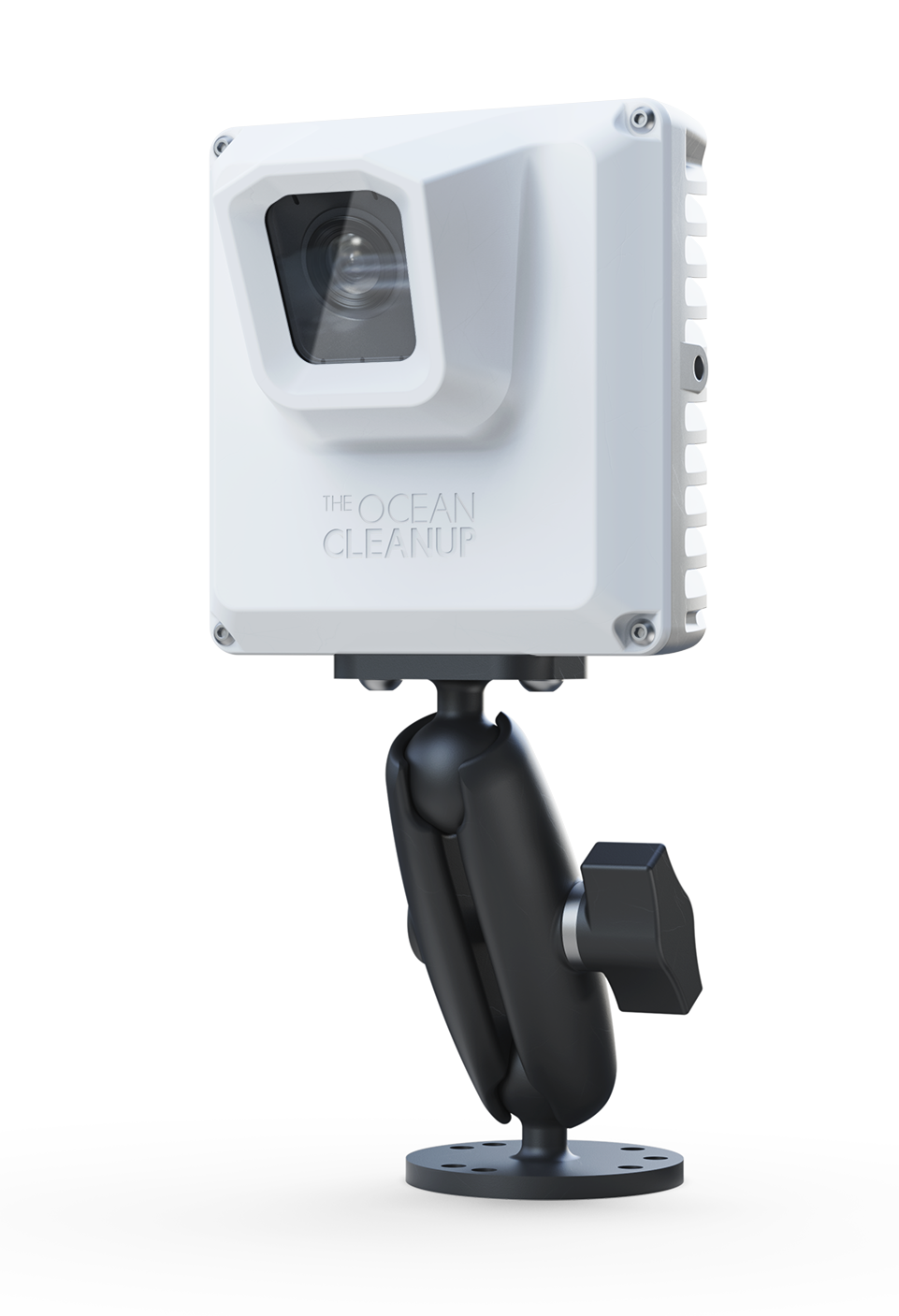
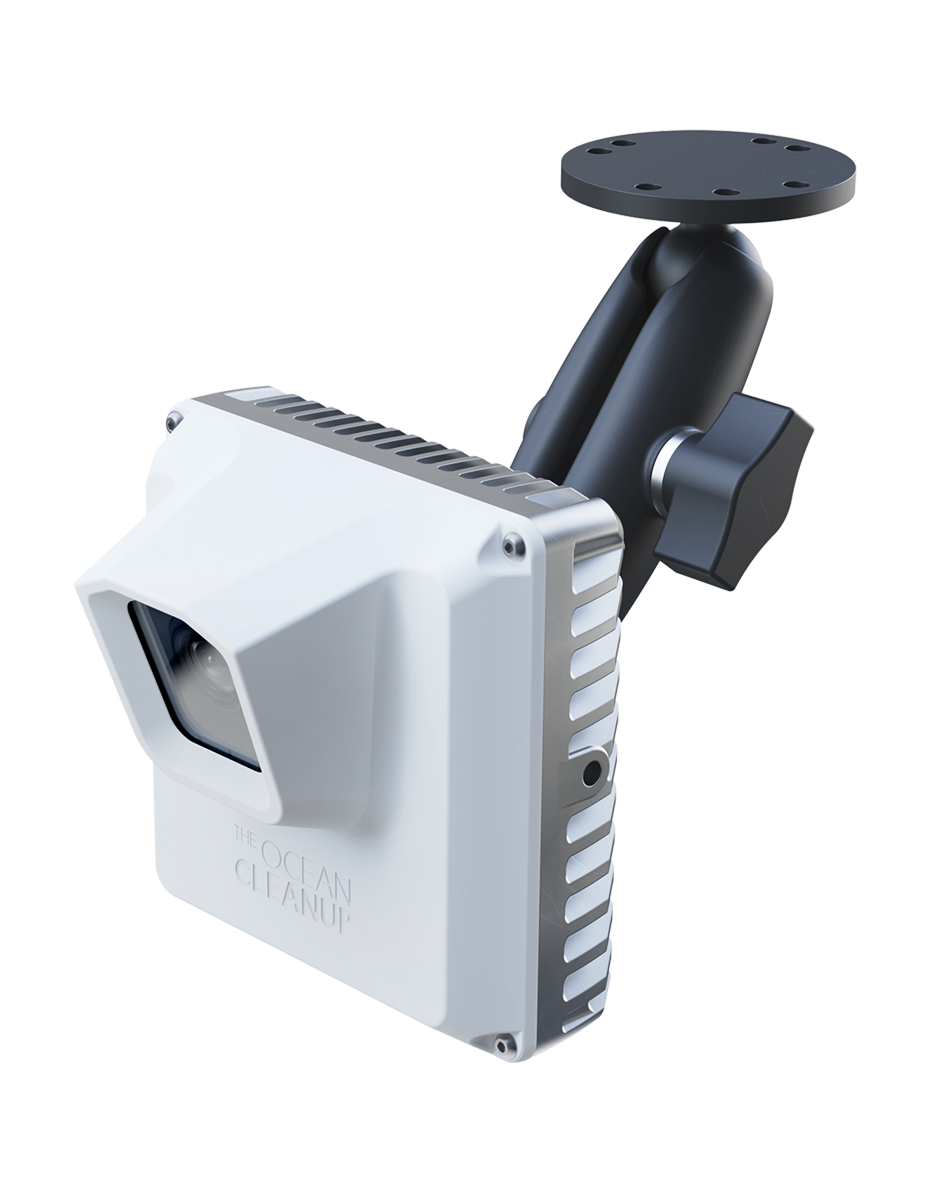
Form3 developed the housing for Au-Zones state-of-the-art camera systems, specifically designed to support The Ocean Cleanup's cleanup efforts. These cameras are engineered to withstand the harshest of marine environments, featuring ruggedized construction and corrosion-resistant materials.
Performance
Optimal thermal management is achieved with a die-cast aluminum heatsink. This also provides a robust, durable housing, protecting the device from exposure to the elements.
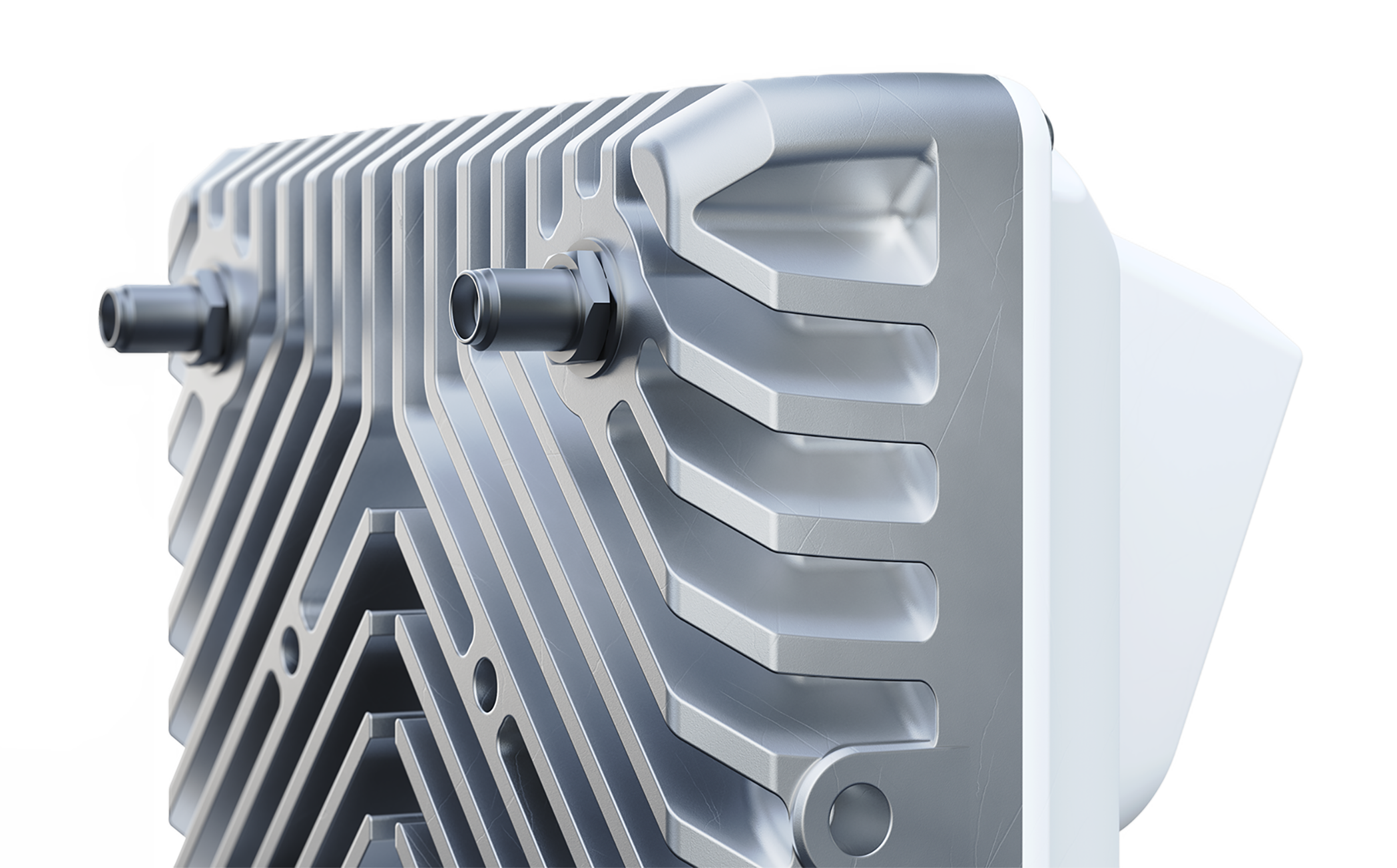
Mount Configurations
The custom mount attachment allows the camera to be configured in multiple ways.
Impact
Tangible progress has been achieved in mitigating ocean plastic pollution. Cleanup efforts have already resulted in the removal of significant quantities of plastic debris from marine environments, contributing to the restoration of coastal ecosystems and the protection of marine biodiversity. Moreover, this technology has enabled The Ocean Cleanup to gain valuable insights into the distribution and dynamics of plastic pollution, informing strategic decision-making and guiding future cleanup efforts. The positive impact of our collective efforts underscores the potential of technology-driven solutions in addressing complex environmental challenges.
Insert your caption here
Insert your caption here
SMART STEERING
Active steering and computer modeling enable targeting of plastic hotspots - areas of higher concentration - to improve efficiency. The models will be steadily improved using field data collected during offshore missions, allowing for continually smarter operations and more focused cleanup.
CARBON OFFSETTING
The Ocean Cleanup aims to offset all carbon emissions related to operations. They continuously work on technological and operational ways of minimizing emissions, while also conducting full cost-benefit assessments to determine net impact on the environment.
SCALABLE
By taking a careful step-by-step approach, the modular fleet of systems can be gradually scaled up while learning from the field and improving the technology along the way. The more systems deployed, the faster the cleanup will be.
Future Directions
Our recent project with Auzone Technologies and The Ocean Cleanup involved designing the industrial housing for their camera technology, enhancing its application for ocean cleanup efforts.
Form3 looks forward to collaborating with other companies and organizations working to address real-world environmental challenges. By partnering with innovators in the field, we aim to contribute to impactful solutions and drive progress in conservation and beyond.
Form3 looks forward to collaborating with other companies and organizations working to address real-world environmental challenges. By partnering with innovators in the field, we aim to contribute to impactful solutions and drive progress in conservation and beyond.
Cleaning the Oceans Garbage Patches
To combat ocean plastic pollution, collective action from individuals, organizations, and governments is crucial. Support the fight by raising awareness, reducing plastic use, joining cleanup efforts, and advocating for policy changes. Consider backing organizations like The Ocean Cleanup and engaging with companies focused on environmental conservation. Together, we can protect our oceans and marine ecosystems for future generations.
Mobile Section
AI Camera
The Ocean Cleanup
Overview
We're proud to collaborate with Au-Zone Technologies and The Ocean Cleanup in addressing the pressing issue of ocean plastic pollution. Leveraging our expertise in designing housings for advanced camera systems, we support The Ocean Cleanup in their mission to rid the world's oceans of plastic waste. Our partnership reflects a shared commitment to leveraging technology for positive environmental impact and underscores the importance of collaborative efforts in addressing complex global challenges.
CLIENT
Au-Zone Technologies / The Ocean Cleanup
ROLE
Industrial Design, Mechanical Design, Prototype Coordination and Supply
OVER 5 TRILLION PIECES OF PLASTIC CURRENTLY LITTER THE OCEAN
Ocean plastic accumulates in five ocean garbage patches, the largest one being the Great Pacific Garbage Patch, located between Hawaii and California. To solve it, we not only need to stop more plastic from flowing into the ocean, but also clean up what is already out there. Floating plastics trapped in the patches will keep circulating until they break down into smaller and smaller pieces, becoming harder to clean up and increasingly easier to mistake for food by sealife. If left to circulate, the plastic will impact our ecosystems, health, and economies for decades or even centuries.
Cleaning the Oceans Garbage Patches
The Ocean Cleanup project represents a pioneering effort to combat ocean plastic pollution through innovative technology and engineering solutions. Central to their approach are passive drifting systems equipped with advanced camera technology, which harness ocean currents to concentrate and capture plastic debris. By strategically deploying these systems in targeted areas, The Ocean Cleanup aims to intercept and remove significant quantities of plastic waste from the marine environment.
Automated Debris Imaging System (ADIS)
ADIS enables The Ocean Cleanup to shift from sparse, geographically limited data collection to a significantly more scalable, global approach to mapping debris. The AI-driven system enables The Ocean Cleanup to continuously gather data and efficiently predict plastic debris hotspots in ocean convergence zones such as the Great Pacific Garbage Patch and lesser-studied areas like the Indian Ocean.
Camera
Equipped with high-resolution imaging capabilities and advanced sensor technology, these cameras provide real-time monitoring of plastic debris, enabling precise detection and characterization. Furthermore, the cameras are integrated with artificial intelligence algorithms, which analyze imagery to identify and quantify plastic waste, optimizing cleanup strategies and maximizing efficiency.
Housing
Form3 developed the housing for Au-Zones state-of-the-art camera systems, specifically designed to support The Ocean Cleanup's cleanup efforts. The housing is engineered to withstand the harshest of marine environments, featuring ruggedized construction and corrosion-resistant materials.
Performance
Optimal thermal management is achieved with a die-cast aluminum heatsink. This also provides a robust, durable housing, protecting the device from exposure to the elements.
Mount Configurations
The custom mount attachment allows the camera to be configured in multiple ways.
Future Directions
Our recent project with Auzone Technologies and The Ocean Cleanup involved designing the industrial housing for their camera technology, enhancing its application for ocean cleanup efforts.
Form3 looks forward to collaborating with other companies and organizations working to address real-world environmental challenges. By partnering with innovators in the field, we aim to contribute to impactful solutions and drive progress in conservation and beyond.
Form3 looks forward to collaborating with other companies and organizations working to address real-world environmental challenges. By partnering with innovators in the field, we aim to contribute to impactful solutions and drive progress in conservation and beyond.