Tissue dissociation is one of the most variable and labor-intensive steps in cell research. It requires precision, consistency, and careful handling, yet in many labs it remains a manual, technique-dependent process that introduces variability, consumes valuable time, and increases user fatigue.
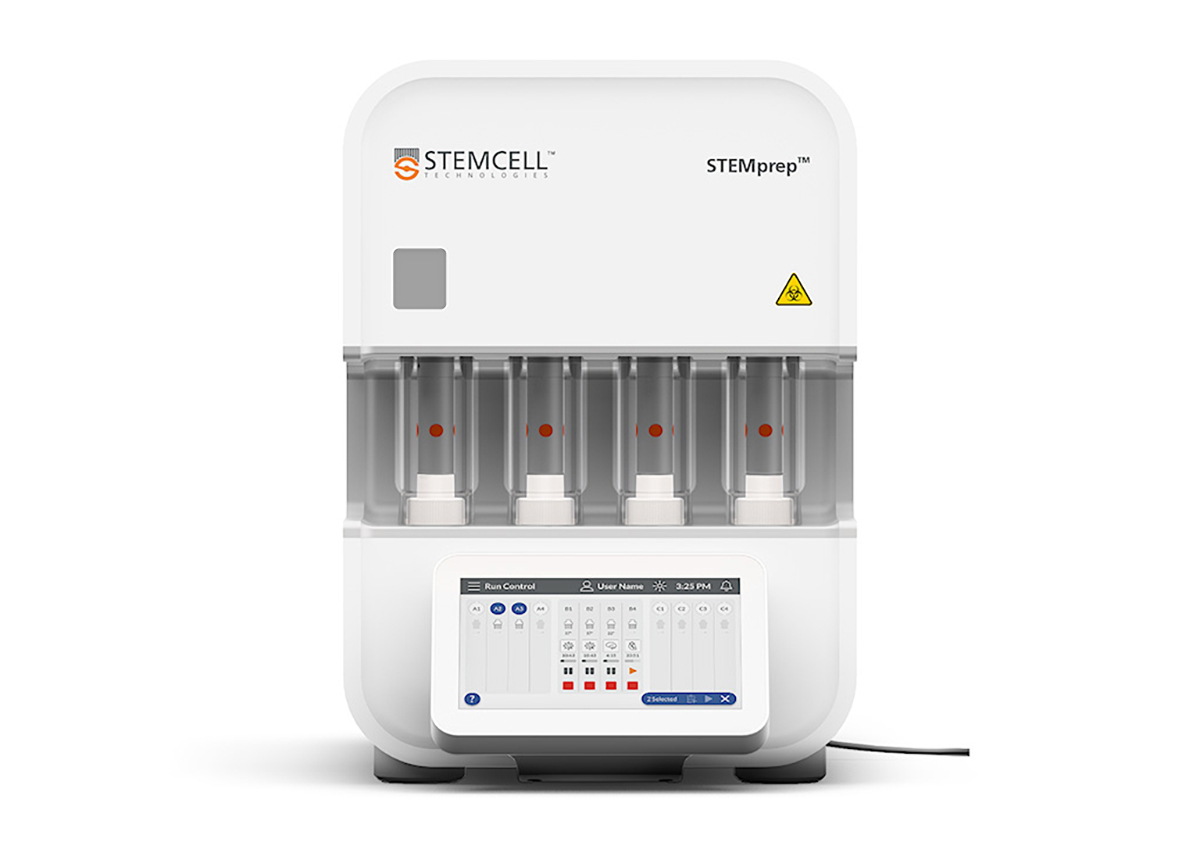
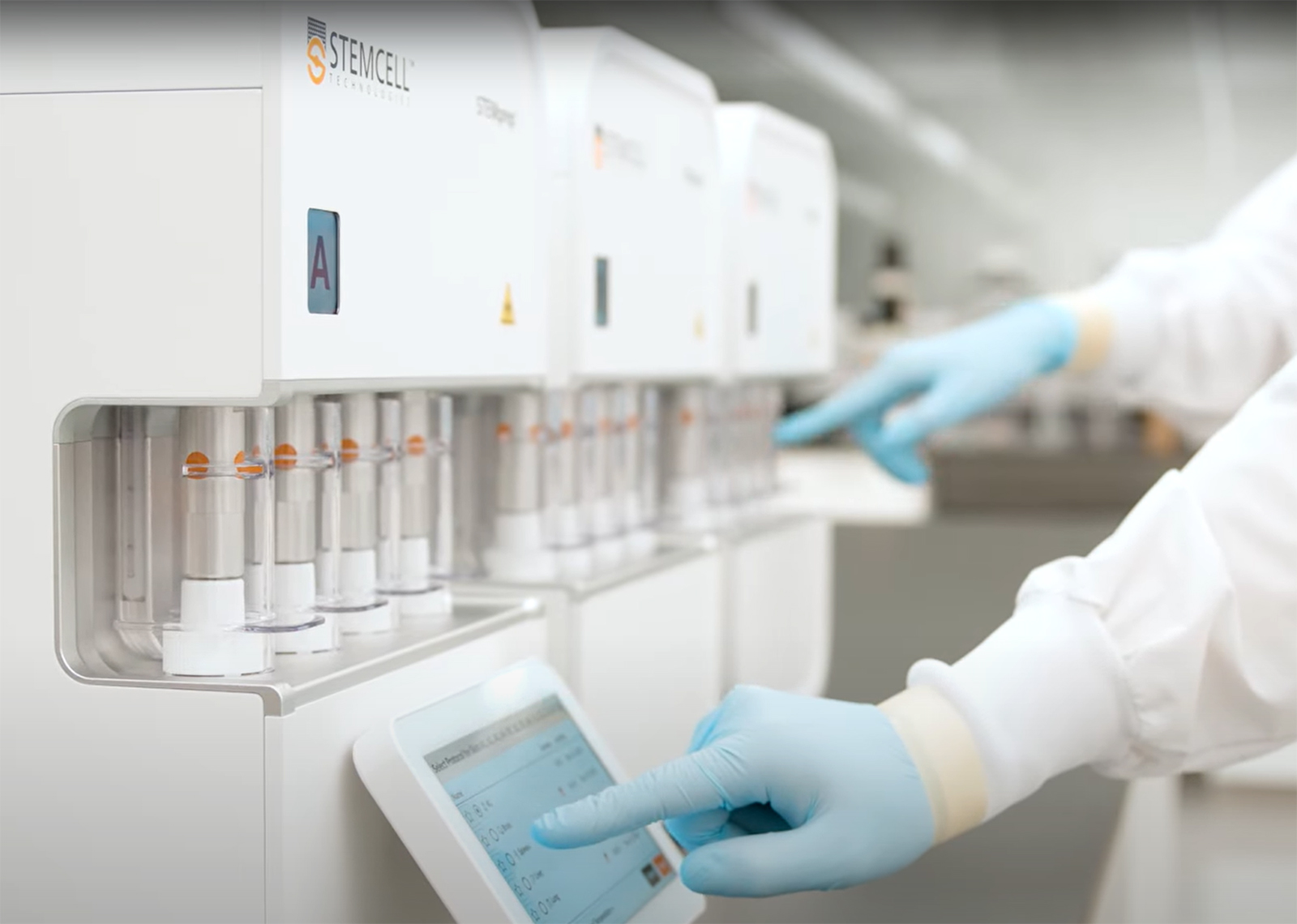
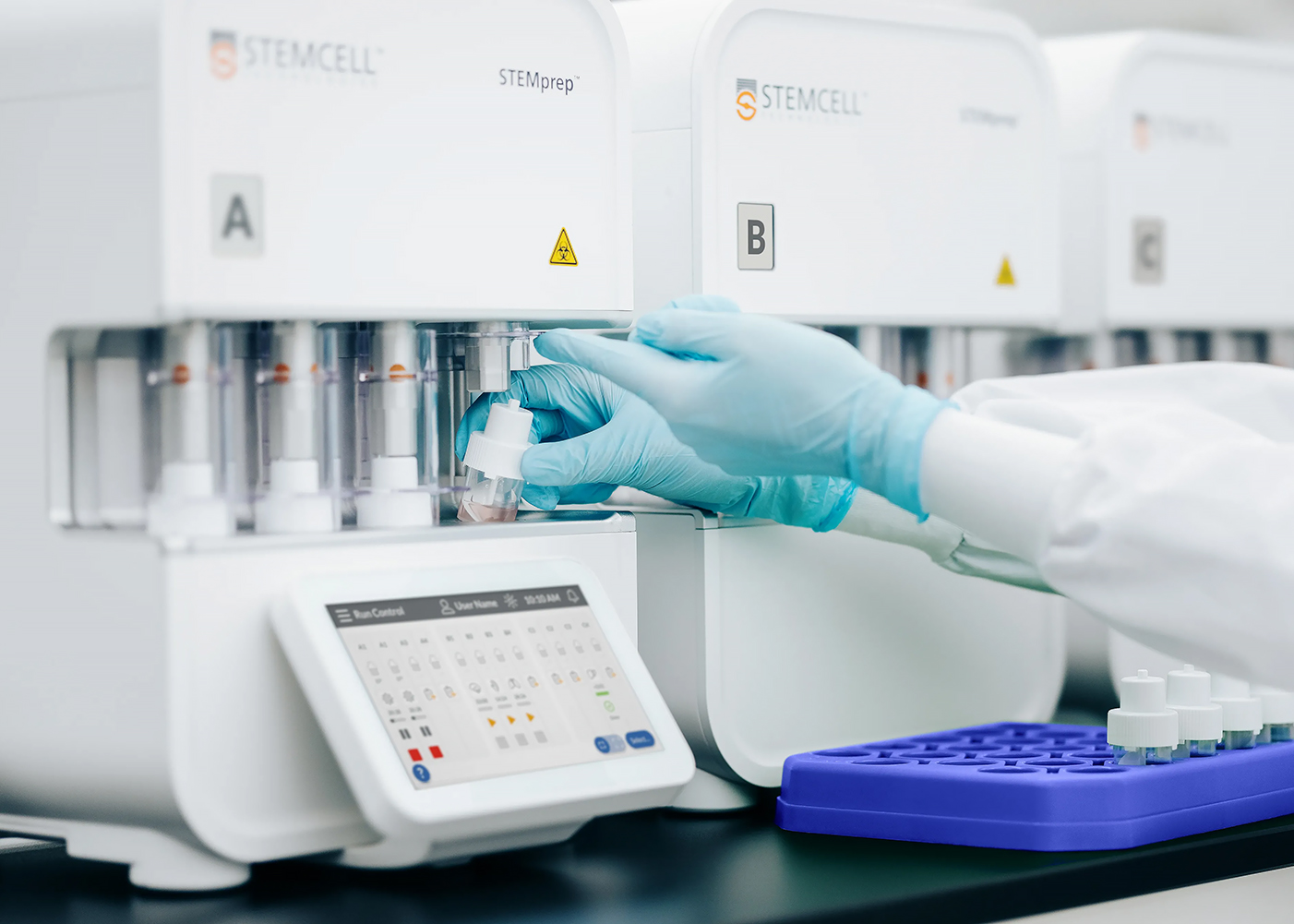
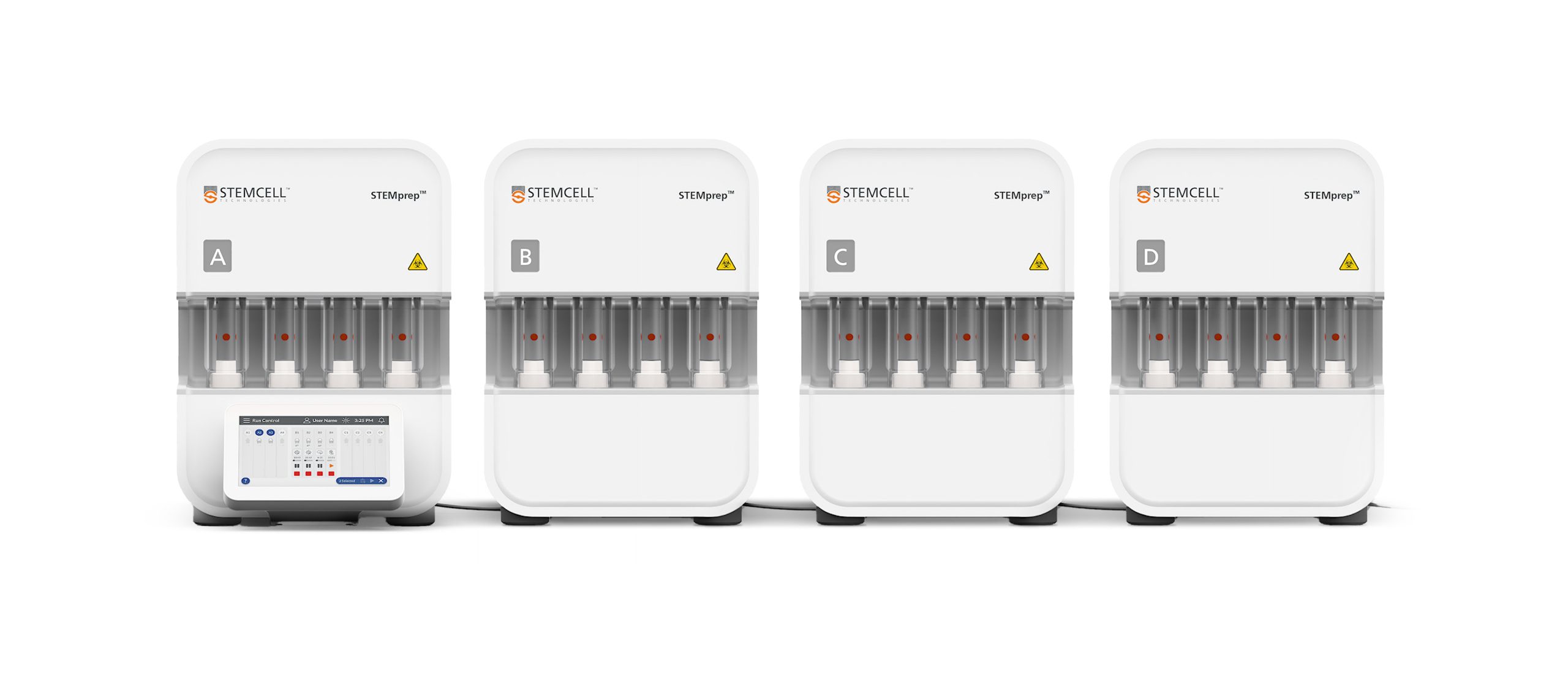
Form3 worked with STEMCELL Technologies to reimagine this workflow from the researcher’s perspective. The result is the STEMprep™ Tissue Dissociator; a modular benchtop system designed to reduce variability, simplify operation, and bring repeatability to a critical lab process. From intuitive touchscreen navigation to controlled temperature regulation and scalable module architecture, every interaction was designed to minimize cognitive load and hands-on time while maintaining precise mechanical performance.
The design balances scientific rigor with approachability: a compact footprint suited to dense lab environments, a clean and confident visual language aligned with clinical-grade reliability, and a system architecture that scales with research throughput.
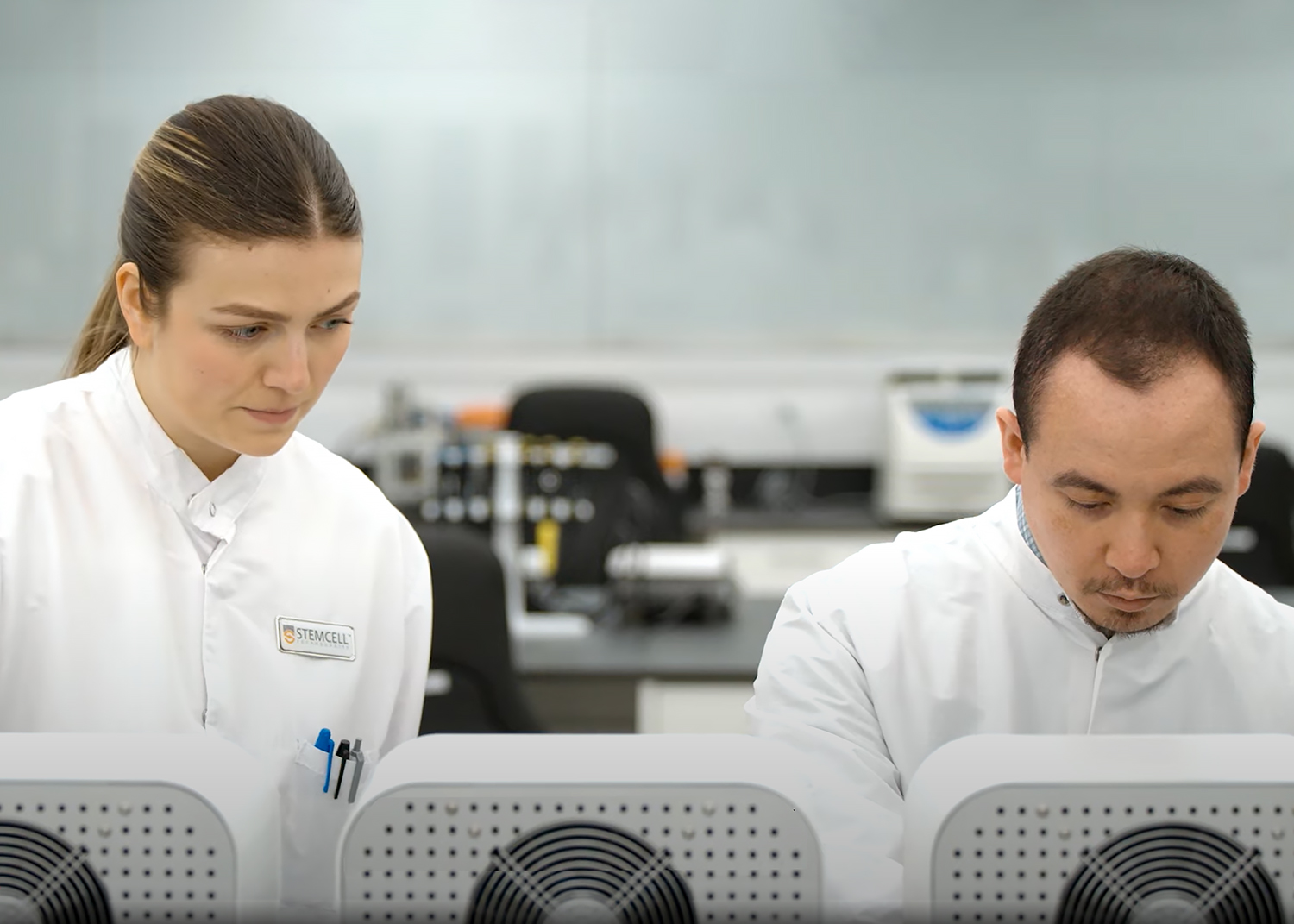
By focusing on workflow clarity, ergonomic interaction, and modular expandability, the project transforms tissue dissociation from a manual skill into a standardized, repeatable experience—allowing researchers to focus on discovery rather than process.
Form3 worked with STEMCELL Technologies to reimagine this workflow from the researcher’s perspective. The result is the STEMprep™ Tissue Dissociator; a modular benchtop system designed to reduce variability, simplify operation, and bring repeatability to a critical lab process. From intuitive touchscreen navigation to controlled temperature regulation and scalable module architecture, every interaction was designed to minimize cognitive load and hands-on time while maintaining precise mechanical performance.
The design balances scientific rigor with approachability: a compact footprint suited to dense lab environments, a clean and confident visual language aligned with clinical-grade reliability, and a system architecture that scales with research throughput.
By focusing on workflow clarity, ergonomic interaction, and modular expandability, the project transforms tissue dissociation from a manual skill into a standardized, repeatable experience—allowing researchers to focus on discovery rather than process.