Lifetime rethinks the everyday toothbrush as a durable, modular object designed for longevity, hygiene, and reduced environmental impact. The system pairs a reusable stainless steel handle with replaceable plant-based heads, creating a long-life alternative to disposable oral care products.
Desktop Section
TheLifetimeToothbrush
Bringing longevity and modularity to oral care
Lifetime
Overview
The Problem
Traditional toothbrushes are inherently disposable products, typically replaced every few months and discarded due to mixed-material construction that is difficult to recycle.
Many sustainable alternatives compromise usability, hygiene, or durability, while conventional toothbrushes often accumulate grime through unnecessary textures, seams, and rubber overmolds.
The challenge was to develop a reusable oral care system that balanced sustainability, manufacturability, cleanability, and long-term daily use.
Many sustainable alternatives compromise usability, hygiene, or durability, while conventional toothbrushes often accumulate grime through unnecessary textures, seams, and rubber overmolds.
The challenge was to develop a reusable oral care system that balanced sustainability, manufacturability, cleanability, and long-term daily use.
TheLifetimeToothbrush
The Design Response
Design for Longevity
The product was intentionally stripped of unnecessary electronic features and visual clutter, resulting in a restrained object designed for long-term ownership and everyday use.
Cleanability & Hygiene
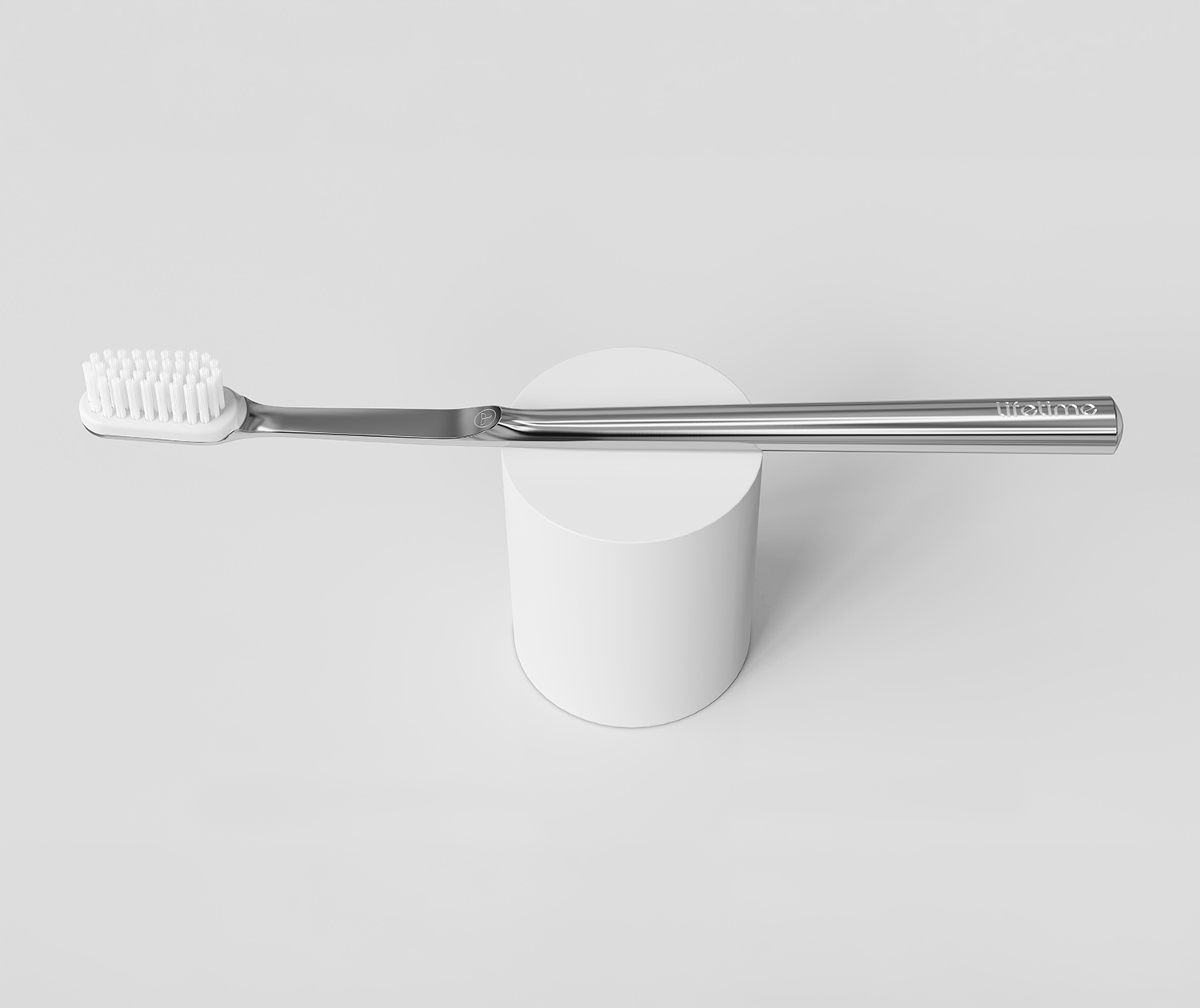
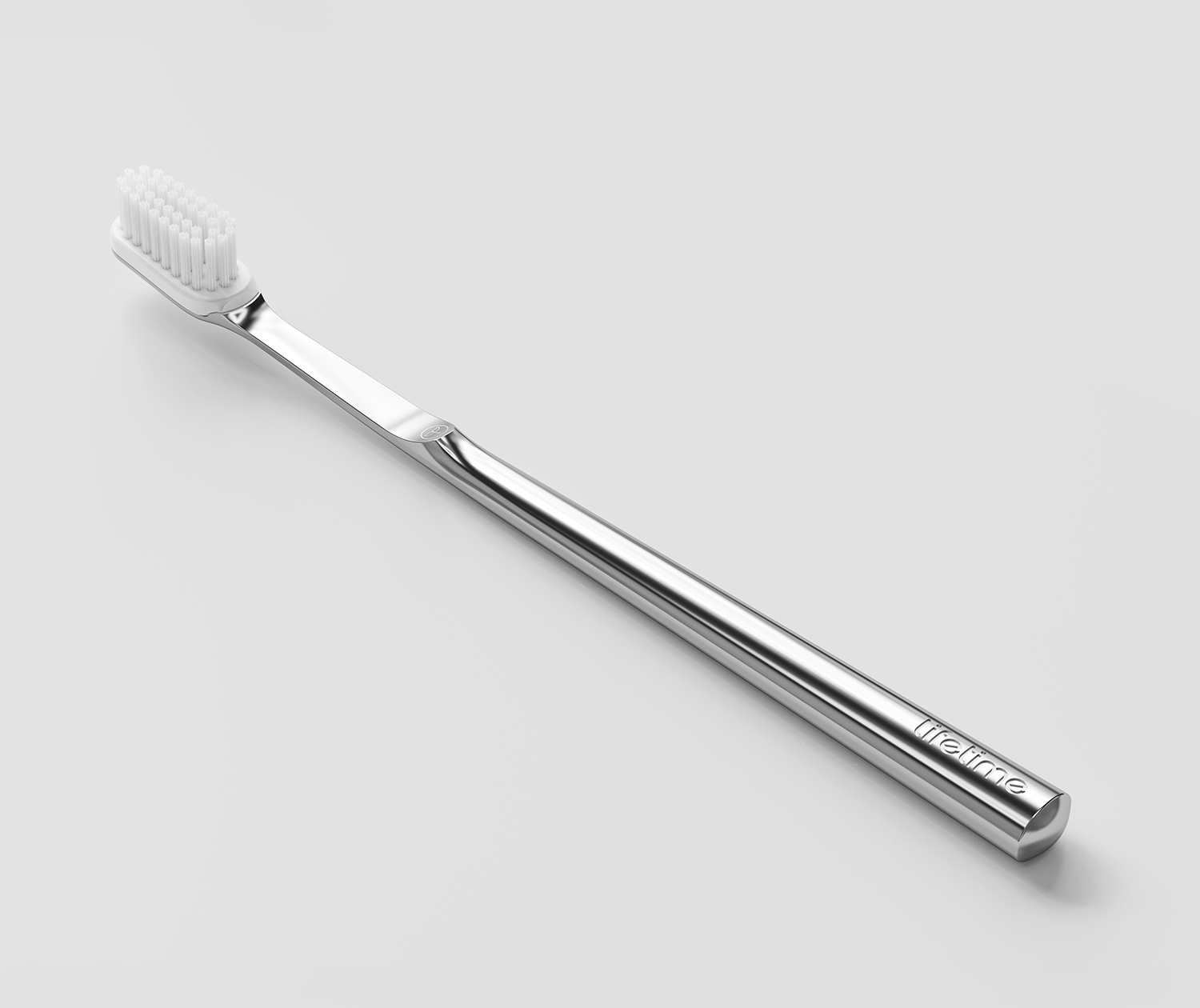
The handle geometry was simplified to minimize seams, grooves, and overmolded surfaces where moisture and buildup typically accumulate. Smooth surfaces allow the product to be cleaned quickly with soap and water.
Durable Modular Architecture
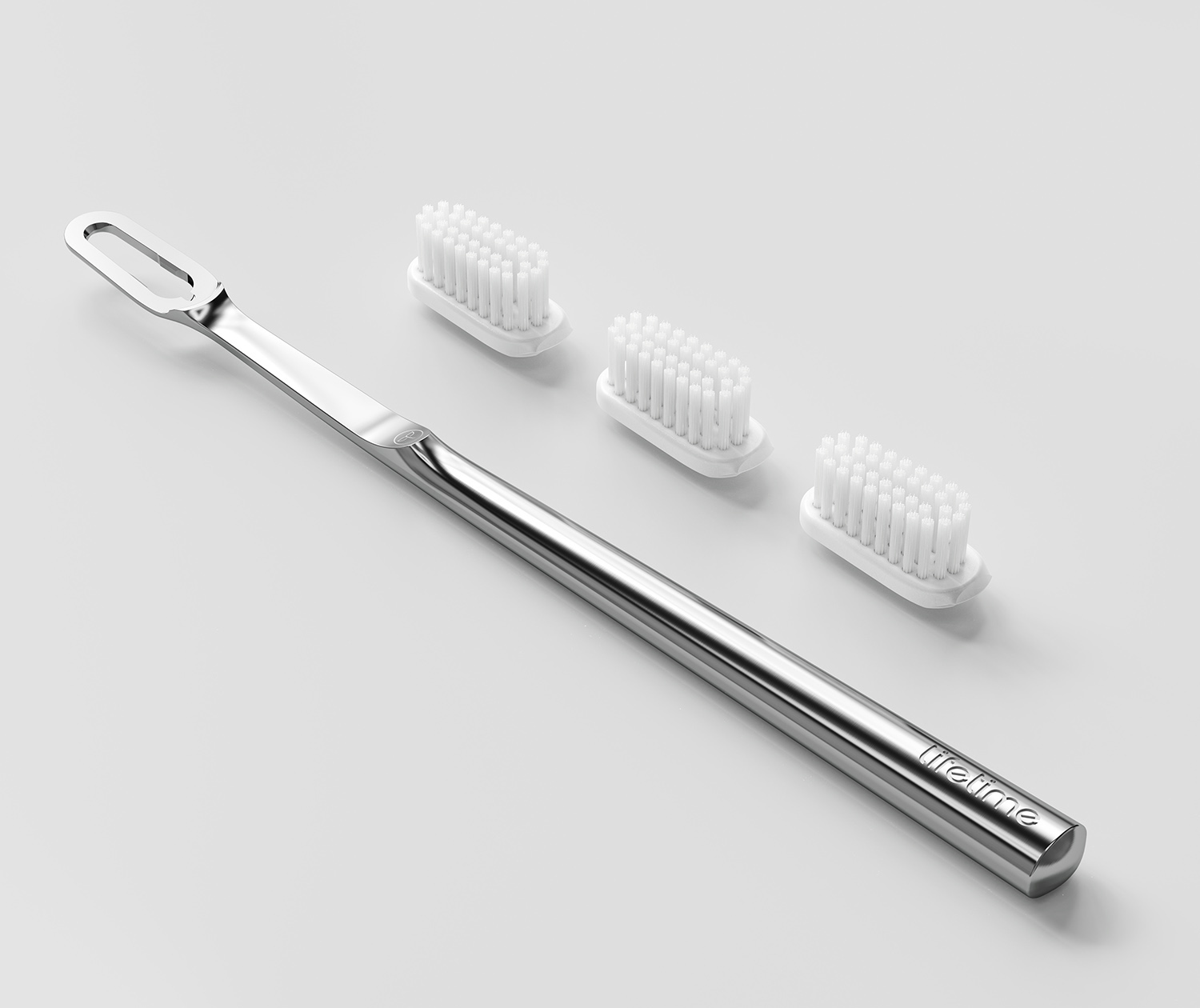
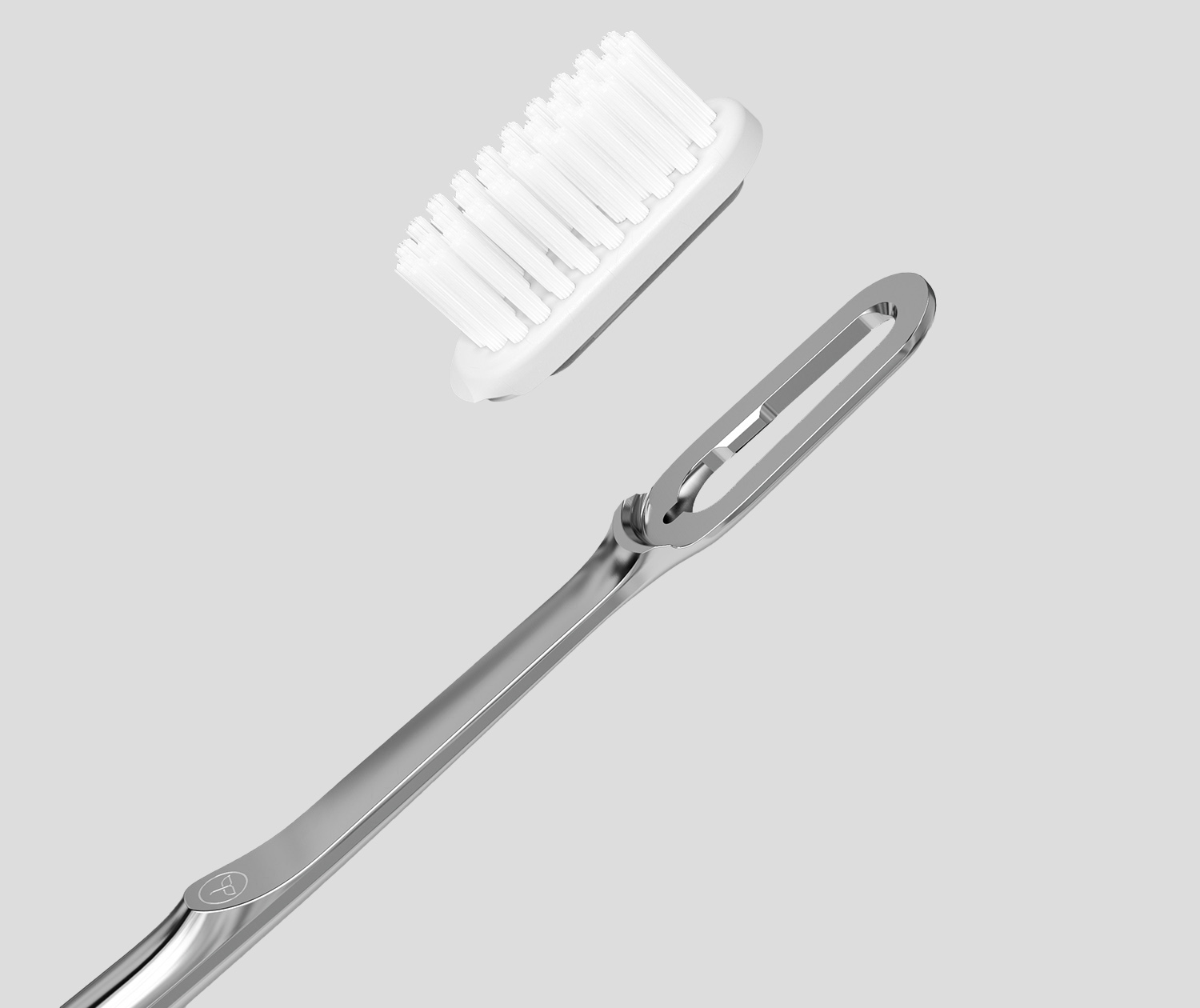
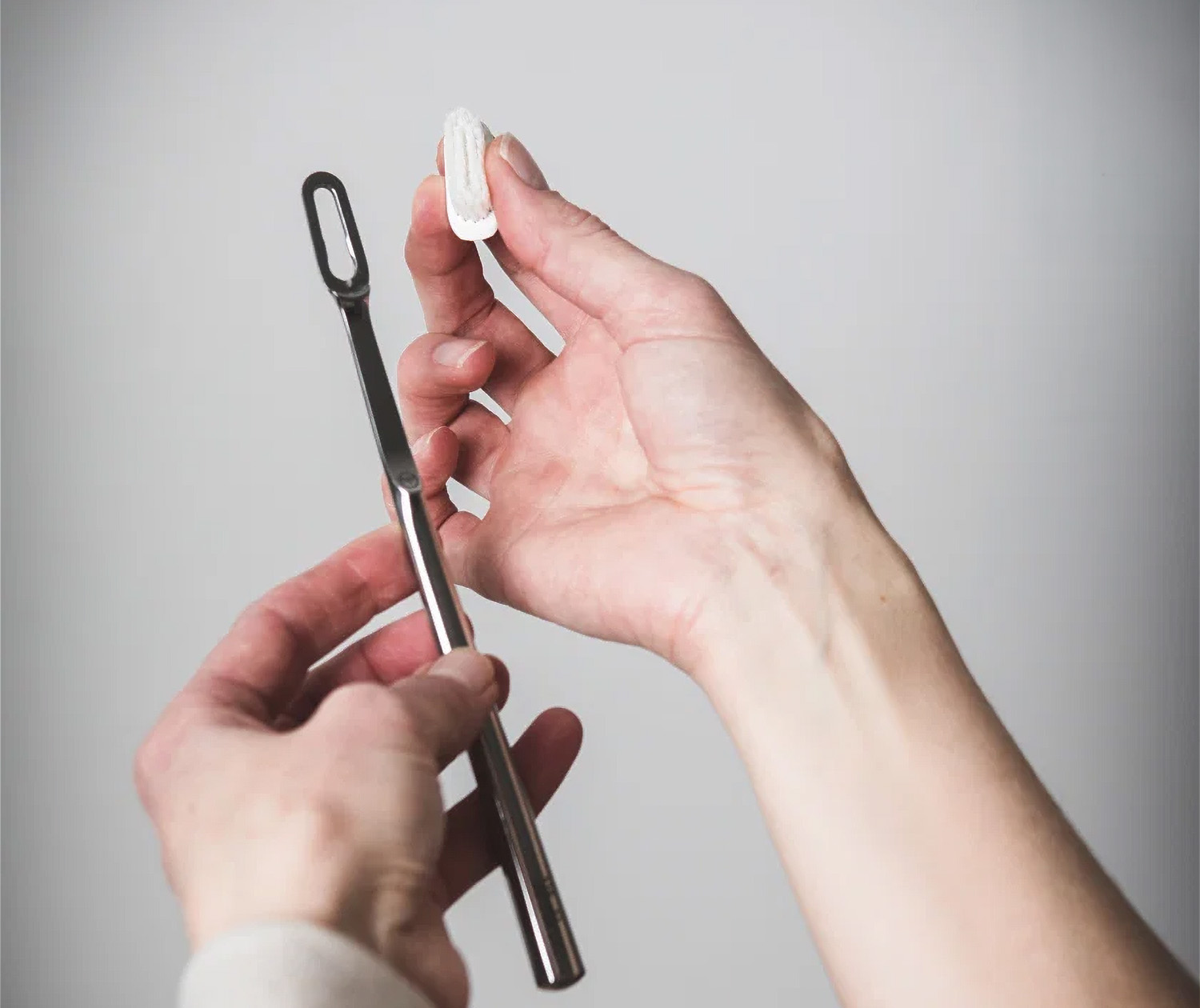
The system separates durable and consumable components through a reusable stainless steel handle paired with replaceable plant-based brush heads, reducing material waste while preserving familiar daily use.
Ergonomics & Daily Use
The handle profile was refined for comfort, grip stability, and intuitive daily handling without relying on aggressive texture patterns or secondary overmolded materials.
Timeless. Intentional.
Made for a lifetime.
Sustainable Material Integration
A significant portion of the development effort focused on identifying a plant-fiber composite material aligned with the project's sustainability objectives. Working closely with material suppliers, the team evaluated options that offered a balance of renewable content, manufacturability, durability, and end-of-life considerations.
The material's characteristics directly informed the product architecture, requiring extensive prototyping and refinement of the snap-fit connection to ensure reliable attachment, durability, and repeatable replacement cycles throughout the product's lifespan.
The resulting replaceable-head system minimizes unnecessary replacement of durable components while supporting the use of lower-impact materials throughout the product.
The material's characteristics directly informed the product architecture, requiring extensive prototyping and refinement of the snap-fit connection to ensure reliable attachment, durability, and repeatable replacement cycles throughout the product's lifespan.
The resulting replaceable-head system minimizes unnecessary replacement of durable components while supporting the use of lower-impact materials throughout the product.
Magnetic Storage System
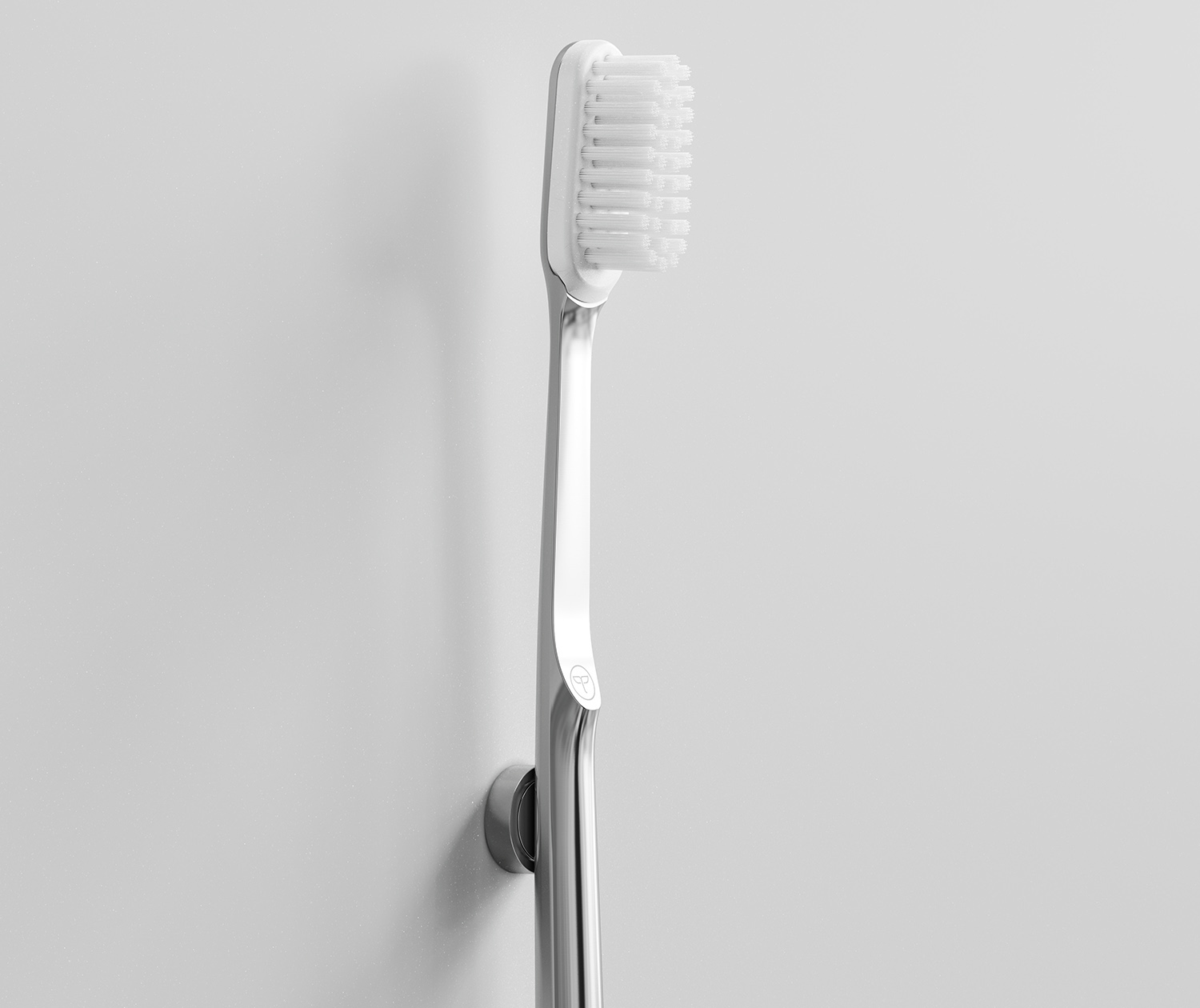
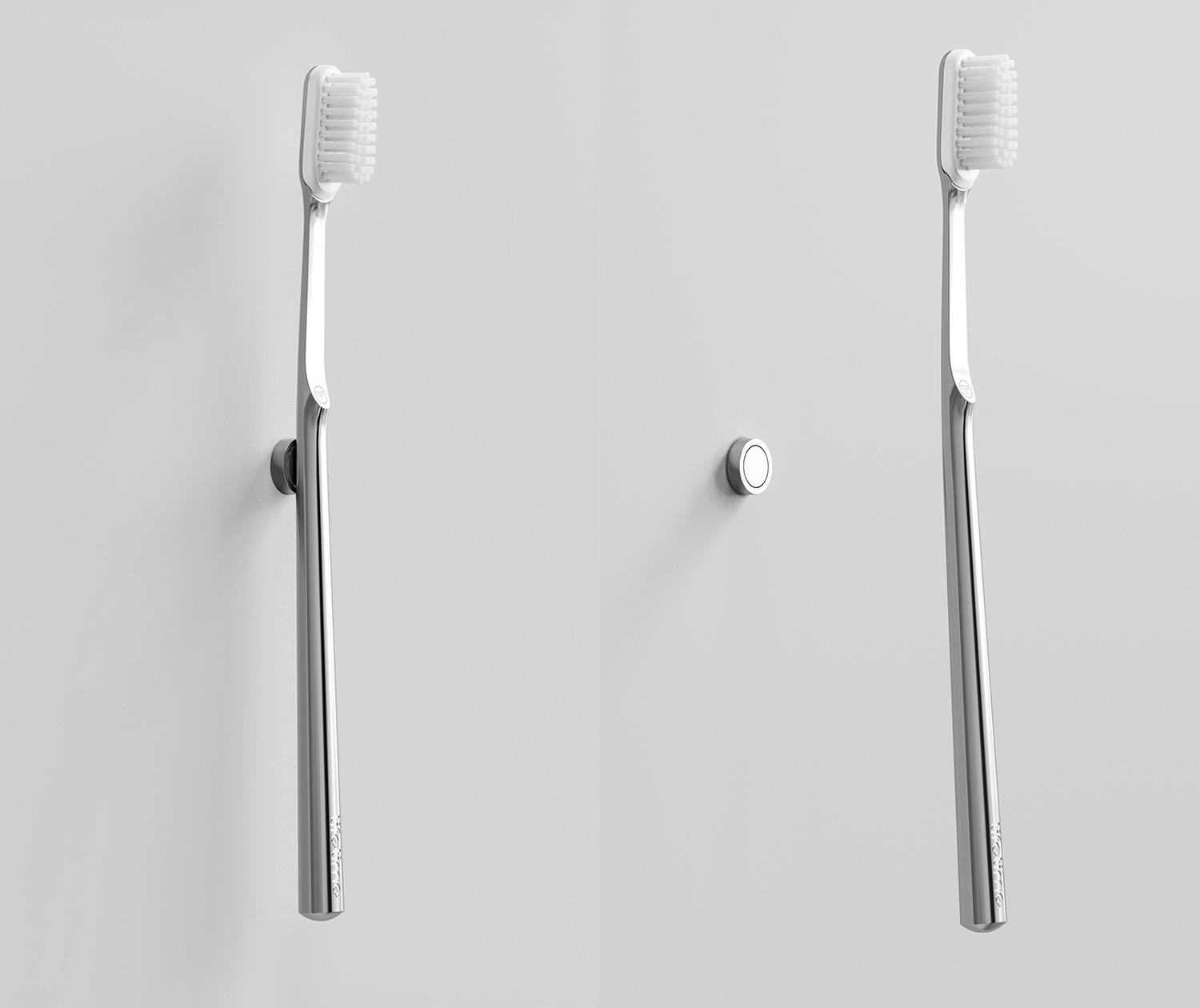
A magnetic wall mount keeps the toothbrush elevated for improved drying and reduced countertop clutter.
Future Material Opportunities
The system was developed with future material advancements in mind. Emerging non-PLA compostable bristle technologies may eventually allow the entire brush head assembly to be composted at end-of-life, further reducing environmental impact and moving closer to a fully compostable replacement component.
Impact
• Reduced lifecycle waste through a modular replaceable-head architecture
• Reframed the toothbrush as a durable object rather than a disposable product
• Balanced sustainability objectives with manufacturable product design
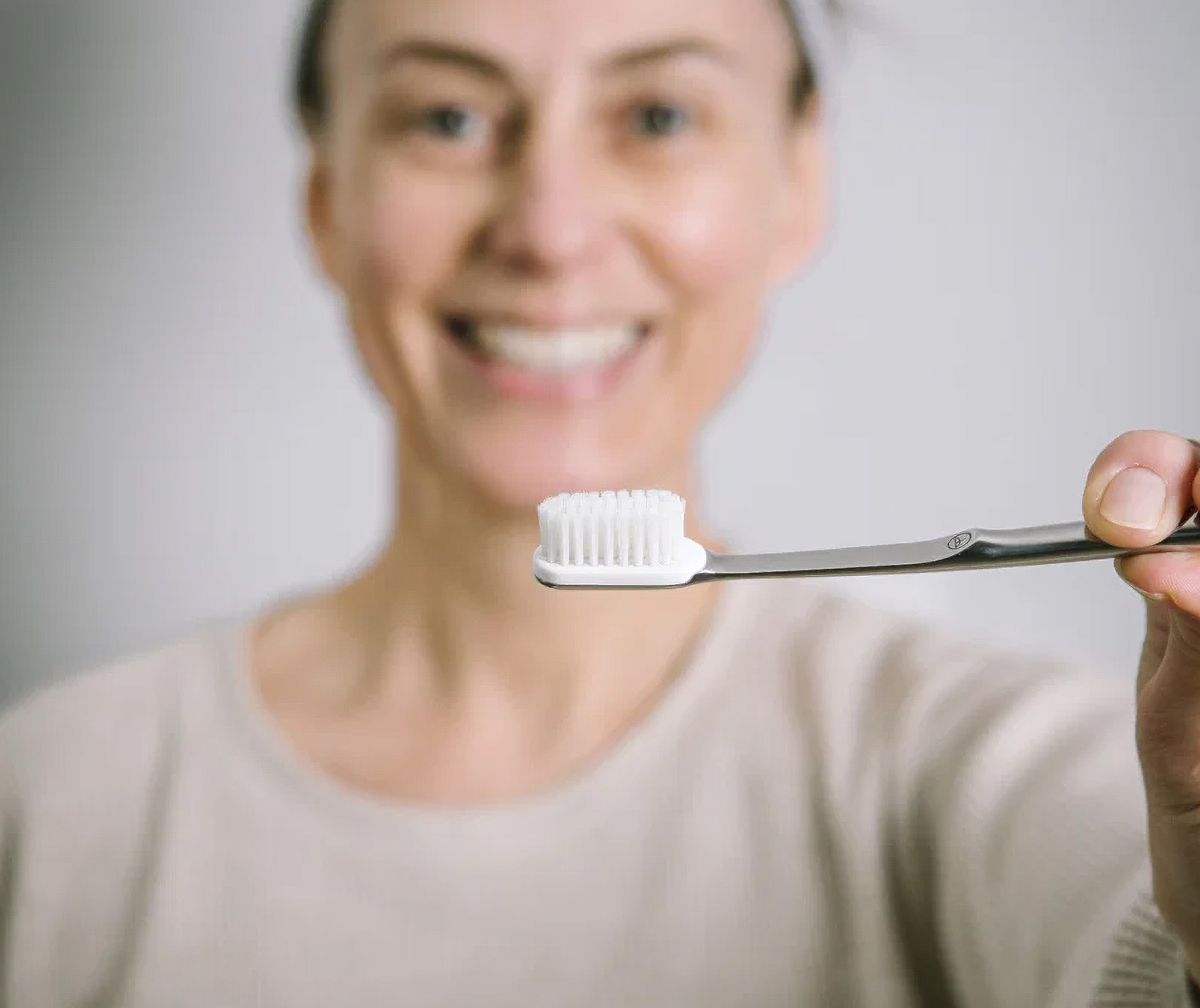
• Created a refined daily-use experience centered around longevity and cleanability.
• Reframed the toothbrush as a durable object rather than a disposable product
• Balanced sustainability objectives with manufacturable product design
• Created a refined daily-use experience centered around longevity and cleanability.
Mobile Section
TheLifetimeToothbrush
Bringing longevity and modularity to oral care
Lifetime
Overview
Lifetime rethinks the everyday toothbrush as a durable, modular object designed for longevity, hygiene, and reduced environmental impact. The system pairs a reusable stainless steel handle with replaceable plant-based heads, creating a long-life alternative to disposable oral care products.
The Problem
Traditional toothbrushes are inherently disposable products, typically replaced every few months and discarded due to mixed-material construction that is difficult to recycle.
Many sustainable alternatives compromise usability, hygiene, or durability, while conventional toothbrushes often accumulate grime through unnecessary textures, seams, and rubber overmolds.
The challenge was to develop a reusable oral care system that balanced sustainability, manufacturability, cleanability, and long-term daily use.
Many sustainable alternatives compromise usability, hygiene, or durability, while conventional toothbrushes often accumulate grime through unnecessary textures, seams, and rubber overmolds.
The challenge was to develop a reusable oral care system that balanced sustainability, manufacturability, cleanability, and long-term daily use.
The Design Response
Design for Longevity
The product was intentionally stripped of unnecessary electronic features and visual clutter, resulting in a restrained object designed for long-term ownership and everyday use.
Cleanability & Hygiene
The handle geometry was simplified to minimize seams, grooves, and overmolded surfaces where moisture and buildup typically accumulate. Smooth surfaces allow the product to be cleaned quickly with soap and water.
Durable Modular Architecture
The system separates durable and consumable components through a reusable stainless steel handle paired with replaceable plant-based brush heads, reducing material waste while preserving familiar daily use.
Ergonomics & Daily Use
The handle profile was refined for comfort, grip stability, and intuitive daily handling without relying on aggressive texture patterns or secondary overmolded materials.
Sustainable Material Integration
A significant portion of the development effort focused on identifying a plant-fiber composite material aligned with the project's sustainability objectives. Working closely with material suppliers, the team evaluated options that offered a balance of renewable content, manufacturability, durability, and end-of-life considerations.
The material's characteristics directly informed the product architecture, requiring extensive prototyping and refinement of the snap-fit connection to ensure reliable attachment, durability, and repeatable replacement cycles throughout the product's lifespan.
The resulting replaceable-head system minimizes unnecessary replacement of durable components while supporting the use of lower-impact materials throughout the product.
The material's characteristics directly informed the product architecture, requiring extensive prototyping and refinement of the snap-fit connection to ensure reliable attachment, durability, and repeatable replacement cycles throughout the product's lifespan.
The resulting replaceable-head system minimizes unnecessary replacement of durable components while supporting the use of lower-impact materials throughout the product.
Magnetic Storage System
A magnetic wall mount keeps the toothbrush elevated for improved drying and reduced countertop clutter.
Future Material Opportunities
The system was developed with future material advancements in mind. Emerging non-PLA compostable bristle technologies may eventually allow the entire brush head assembly to be composted at end-of-life, further reducing environmental impact and moving closer to a fully compostable replacement component.